



Designated since 2017 as a biosphere reserve by the United Nations Educational, Scientific and Cultural Organization (UNESCO), the Mono River or Mono Delta is one of the most attractive tourist sites in both Togo and Benin. In this article, we will discover through the various points to be addressed, not only the invaluable wealth that this river abounds but also the great challenges encountered in the preservation of this green wealth.
Definition of a biosphere reserve
Throughout the world, there are areas that combine biodiversity conservation and sustainable development. The United Nations Educational, Scientific and Cultural Organization recognizes these regions as Biosphere Reserves for the model they represent in the preservation of biodiversity and sustainable development.
This recognition is the result of criteria well defined by the World Network and that the General Conference of UNESCO will approve a few months later in 1995. There are the Central Zone, Buffer Zone and Transition Zone reserves. Today, there are six hundred and eighty-six (686) biosphere reserves in 122 countries.
Togo / ONG JVE : déjà 20 ans d’engagement pour l’environnement
Geographical location of the Mono River
Located on the southern border between Benin and Togo, the Mono River covers a total area of 346,285 ha, for a length of nearly 350 km.
With a large population of nearly 1 million inhabitants, the Mono River is a showcase of landscapes and ecosystems composed of mangroves, gallery forests, lakes, savannah, lagoons, floodplains and forests, including sacred forests.
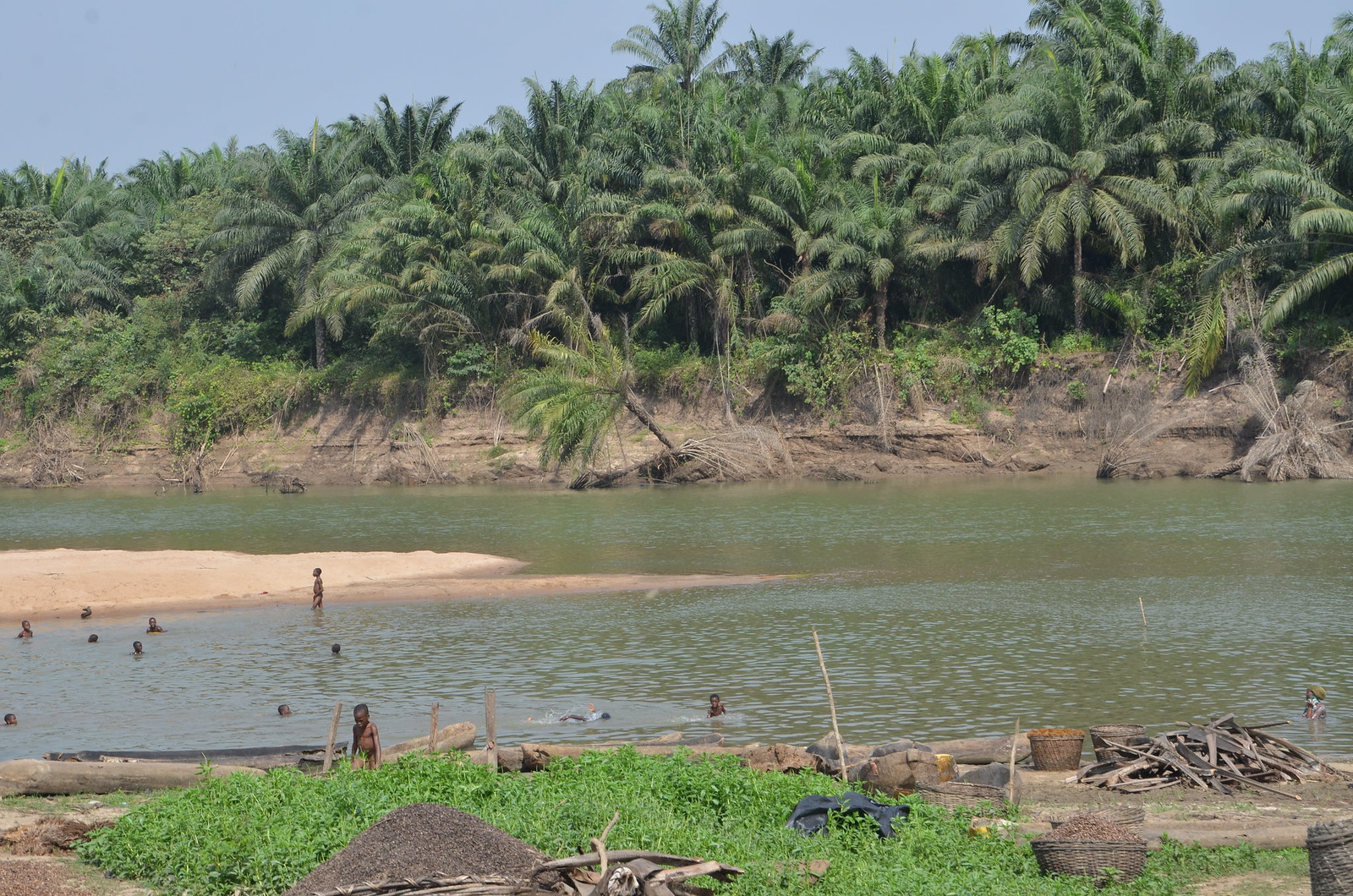
« The populations are already in large numbers and in the years to come, it will increase further. But it should be noted that the natural resources of the area are the basis of survival for this population, » said Mr. Ahoedo, Director of Fisheries and Aquaculture in Togo.
The local populations live mainly from agriculture, grazing, forestry and especially fishing, since the Mono River is a suitable area.
The riches of the Mono River
The Mono River abounds in riches with its attractive ecosystem. It allows the population to obtain water for drinking and other uses. The populations also obtain firewood and charcoal and, above all, the river is one of the assets for the food security of the populations. The river, in its biodiversity, records species of international importance. In terms of fishery resources, the Mono River abounds in many species of fish. The most abundant are the Tilapia (carp), the Mormyres, the Chrysichthys (white catfish), the Brycinus (sardine), the Captains.
The Mono Delta is also home to hippos, antelopes, monkeys, birds, especially with aquatic varieties.
« Here, we live from fishing and agriculture. We go fishing and when we have fish, we use them for consumption and we sell some to earn some money to support our children. We have to pay school fees and other things to our children, » explained Yawo Dzidofe, a fisherman.
The mono river also plays an important role in hydroelectric production. Although the primary source of electricity production for the Communauté électrique du Bénin (CEB) is the Nangbéto Hydroelectric Power Plant, the torrential nature of the Mono has been highlighted over the past 25 years with a flow of nearly 300 m3/s per day.
Efforts made by the Togolese government to preserve the wealth of the Mono River
The Togolese government has been taking actions and measures for several years for the sustainable exploitation of fishery resources. In 2006, the ministry in charge of fisheries adopted a regulatory text on the exercise of fishing and set up a committee in collaboration with the local authorities. They act as an interface with the administration and have the task of ensuring the implementation of decisions taken and regulations in force on the fishing grounds. A water fisheries management plan was adopted in August 2013 and in 2014 the management committees were provided with motorized pirogues and safety equipment for patrols. To date, there are 6 fishing committees that organize with volunteer fishermen patrols on the water to seize prohibited fishing gear.
This is also the case for the Nangbeto dam. Since 2014, the Government has been distributing regulatory fishing nets to fishermen at the Nangbeto Dam, as well as to those in other bodies of water, every year. Awareness sessions are regularly organized for fishermen on good fishing practices.
The Ministry in charge of fisheries has conducted exchange meetings between the stakeholders of the Togolese lagoon system which led to the adoption of the fisheries management plan of the said water body in January 2015, followed by the establishment of 3 prefectural management committees and an inter-prefectural committee. With the RBTDM project, the management committees set up and composed exclusively of fishermen have been more inclusive by integrating representatives of other users of the water body. A management agreement for the lagoon system has been adopted and signed between the main actors involved, namely the ministry in charge of fisheries, the local administrations and the fishermen.
Challenges encountered in preserving the Mono River
The anarchic felling of trees and the abusive extraction of natural resources constitute a major threat to the river and its biodiversity. In terms of the protection and conservation of fishery resources, the challenges encountered include non-compliance with the regulations in force on fishing, the poor organization of fishermen, etc.
Being aware of this, the government of Togo and the government of Benin have joined forces to achieve better results in the preservation of the biodiversity of the Mono River.
A transboundary biosphere reserve was therefore created. The two countries have agreed to ratify the Convention on Biological Diversity and its strategic plan for the period 2011-2020. This convention which aims to conserve biological diversity, the sustainable use of biological diversity and all this with the aim of protecting this biodiversity.
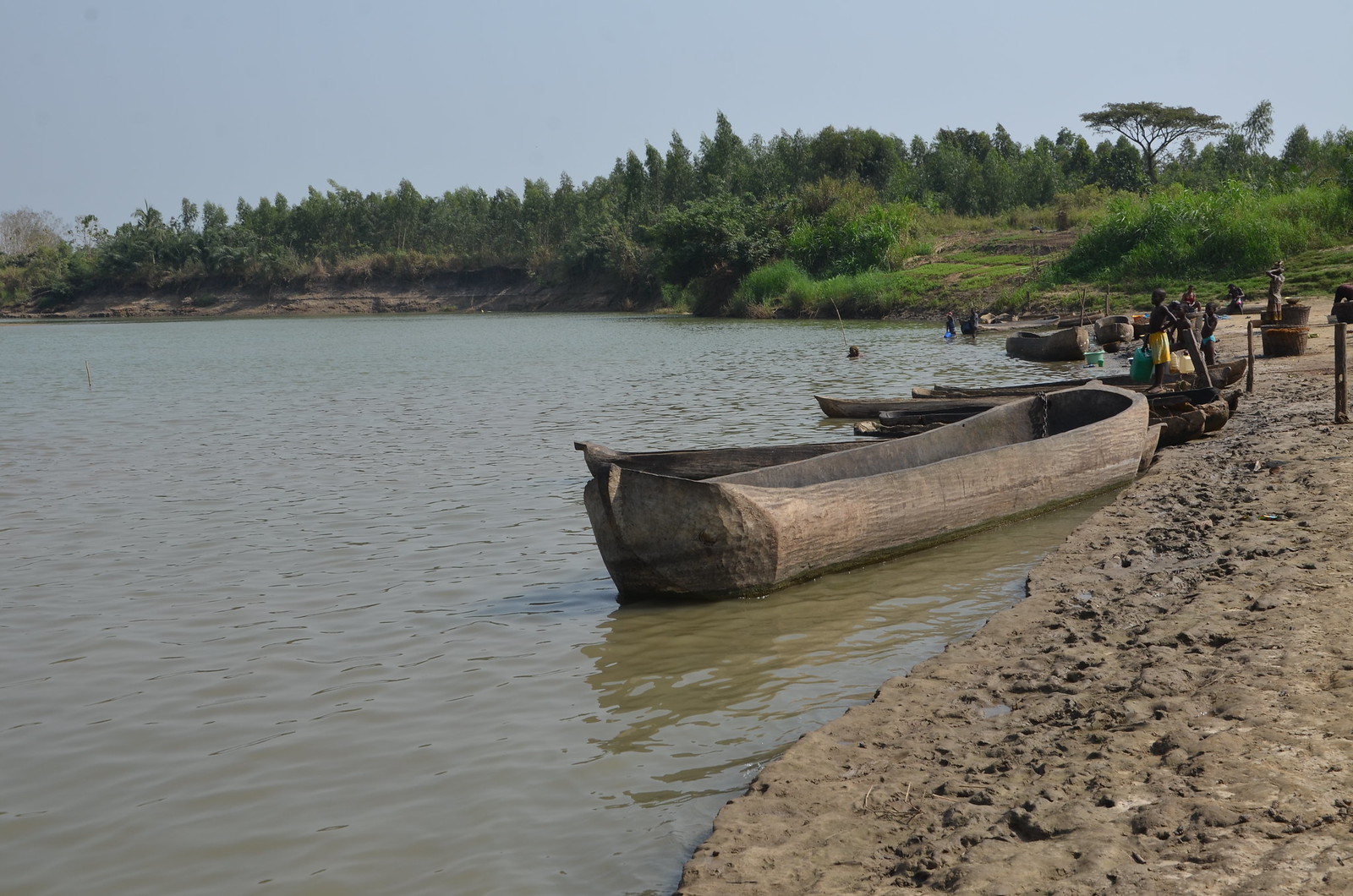
This transboundary biosphere reserve project, supported by the Federal Republic of Germany, aims to contribute to the protection of the social strata of the area and thus contribute to sustainable development. It covers an area of 146,088 hectares and was officially recognized in 2017 by UNESCO.
But the establishment of the creation of this reserve was only possible in 2014 when Mr. André Johnson, Minister of Environment in Togo and his Beninese counterpart, Mr. Christian Sossouhounto laid the first foundations for the realization of this reserve project. The reserve is now managed by local people who have been equipped for this purpose.
Suggestions
Efforts have been made to preserve the biodiversity of the Mono River, but these efforts must be intensified by raising awareness among the new generation born in these areas. Training, workshops, conferences and round tables would be a sure way to contribute to the achievement of this preservation.
In sum, we have seen at the end of this research, the varieties of wealth that the Mono River abounds. In order for these riches to last and benefit the populations, they must be preserved by the populations themselves with the help of the authorities, NGOs, resource persons, etc.
The protection of biodiversity in the Mono Delta helps the sustainable development of Togo and Benin in general and that of the local communities in particular.
Illegal activities, such as poaching and the uncontrolled felling of trees, must be stopped. If it is not preserved, the populations, the first beneficiaries of the assets of this river, risk losing these natural resources from one day to the next.
